In September 2024, a founder in Los Angeles launched a healthcare company with $20,000, a laptop, and no venture capital. By end of 2025, it had generated $401 million in revenue. By 2026, it's projecting $1.8 billion. The team size: two people.

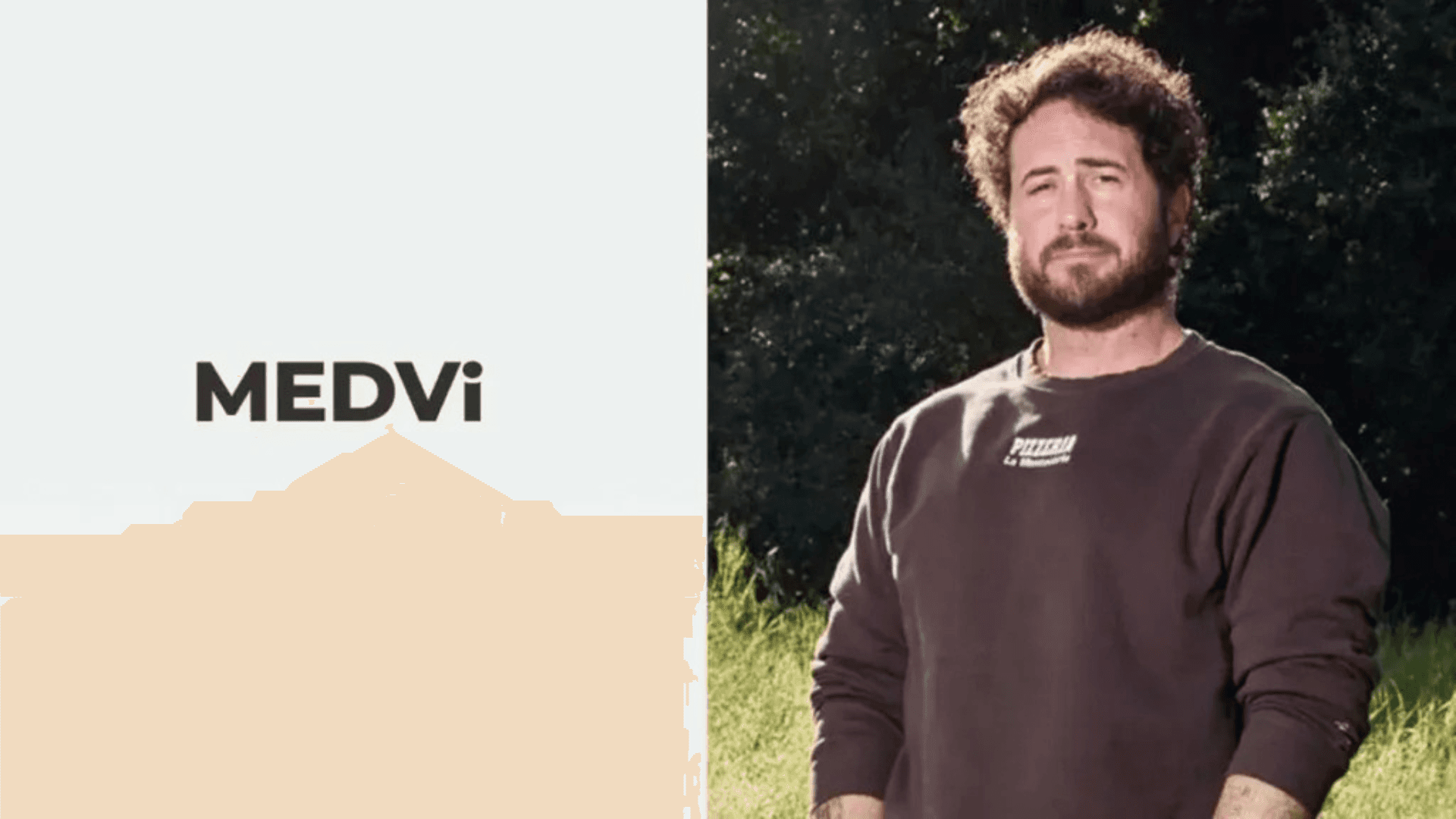
The company is called Medvi. The founder is Matthew Gallagher and whether or not you're in healthcare, this story should stop you in your tracks, because it isn't really a healthcare story. It's a story about what becomes possible when a CEO or founder completely rethinks the operating model.
I've been watching this one closely. Here's what I think it means.
The Part Everyone Gets Wrong About the Medvi Story
Most people hear "two-person company, $1.8 billion" and think: that's a fluke, GLP-1 drugs are a once-in-a-generation demand surge. Of course someone caught the wave.
That misses the point entirely.
The GLP-1 demand surge was real, but dozens of companies tried to catch it with traditional infrastructure, building physician networks, hiring compliance teams, standing up pharmacies, assembling customer support organizations. Most of them are still burning cash trying to figure out unit economics.
Gallagher didn't build any of that. He rented it.
OpenLoop Health and CareValidate handle physicians, prescription processing, compliance, and logistics. Third-party compounding pharmacies handle fulfillment. Gallagher built the customer relationship, the brand, the marketing engine, and the patient experience, and used AI for nearly everything else: software development, copywriting, ad creative, analytics, customer support automation.
The insight wasn't "sell GLP-1s online." The insight was: what if the only thing we actually own is the customer relationship and the intelligence layer on top of it?
The Operating Model That Changes Everything
Here's the architecture that produced those numbers:
Rented infrastructure instead of built infrastructure. Clinical services, compliance, fulfillment, all third-party. Medvi paid for capacity, not headcount. The operational risk stayed off the balance sheet.
AI across the entire stack. ChatGPT, Claude, Grok, Midjourney, Runway, used for code, copy, creative, and customer operations. Not as a productivity tool. As a replacement for entire job categories.
Direct-to-consumer demand generation. Meta advertising, affiliate marketing, performance media, at scale, with AI-generated creative, optimized continuously.
Category timing. GLP-1 demand was already exploding before Medvi existed. Gallagher didn't create the demand. He built the best funnel to capture it.,
The result: a company with a 16.2% net margin in its first full year of revenue. $65 million in profit on $401 million in sales. With two employees.
What This Means for CEOs and Founders Building Right Now
I want to be direct about something. Medvi also attracted regulatory scrutiny, an FDA warning letter for marketing claims on compounded medications, questions about affiliate practices, controversy around certain advertising tactics. The story has real complexity to it.
But the operating model itself? That's worth studying hard.
Because the underlying principle, AI + outsourced execution infrastructure + premium customer relationship + category demand, isn't unique to telehealth. It's a replicable playbook. And the CEOs and founders who understand it are going to run circles around those still building traditional organizational charts.
The question I'm being asked constantly right now, by MedTech CEOs and founders, by operators, by executives trying to figure out what AI actually changes about how they build, is some version of: where does AI create the biggest advantage, and how do I build for it?
The Medvi answer is instructive: not in replacing one or two roles. In redesigning the operating model so that AI handles the functions that used to require headcount, and humans focus on the irreplaceable layer, judgment, relationships, category positioning, and brand.
The Fractional Growth + AI Advisor™ Is Built for This Moment
This is exactly the conversation I'm having with CEOs and founders through Tribe's Fractional Growth + AI Advisor™ engagement. Not "how do you use AI to write emails faster." The real question: what is your AI-enabled operating model, and is your GTM infrastructure built to take advantage of it?
Most companies aren't there yet. They're using AI as a productivity layer on top of a traditional org structure. The CEOs and founders who win in the next five years are going to use it to redesign the structure entirely.
Medvi built a $1.8 billion company with $20,000 and a rethought operating model. The template is there.
The question is whether you're building toward it, or still adding headcount the old way.
→ Talk to Tribe about your AI-enabled GTM strategy: tribeconsulting.co